Hadapsar, Pune
Root canal treatment cleans and seals an infected tooth from the inside, so you keep the natural tooth rather than losing it to extraction. Performed at Ekdant Dental Clinic under Dr. Pooja Biradar-Motagi, with digital X-ray diagnosis and single-visit therapy where the case allows it.
Inside every tooth is a soft tissue called pulp, which can become infected or inflamed from deep decay, a crack, or repeated dental work. Root canal treatment removes that infected pulp, cleans and shapes the empty canal, then seals it — stopping the infection and saving the tooth structure that's still healthy.
Sharp or dull pain when chewing on a specific tooth.
Sensitivity to hot or cold that doesn't fade quickly.
A small bump on the gum near the tooth root.
A tooth that's visibly darker than the ones around it.
These signs don't confirm a root canal is needed — only an examination and X-ray can. If you notice any of them, it's worth getting checked.
We confirm what's happening inside the tooth and explain it before recommending treatment.
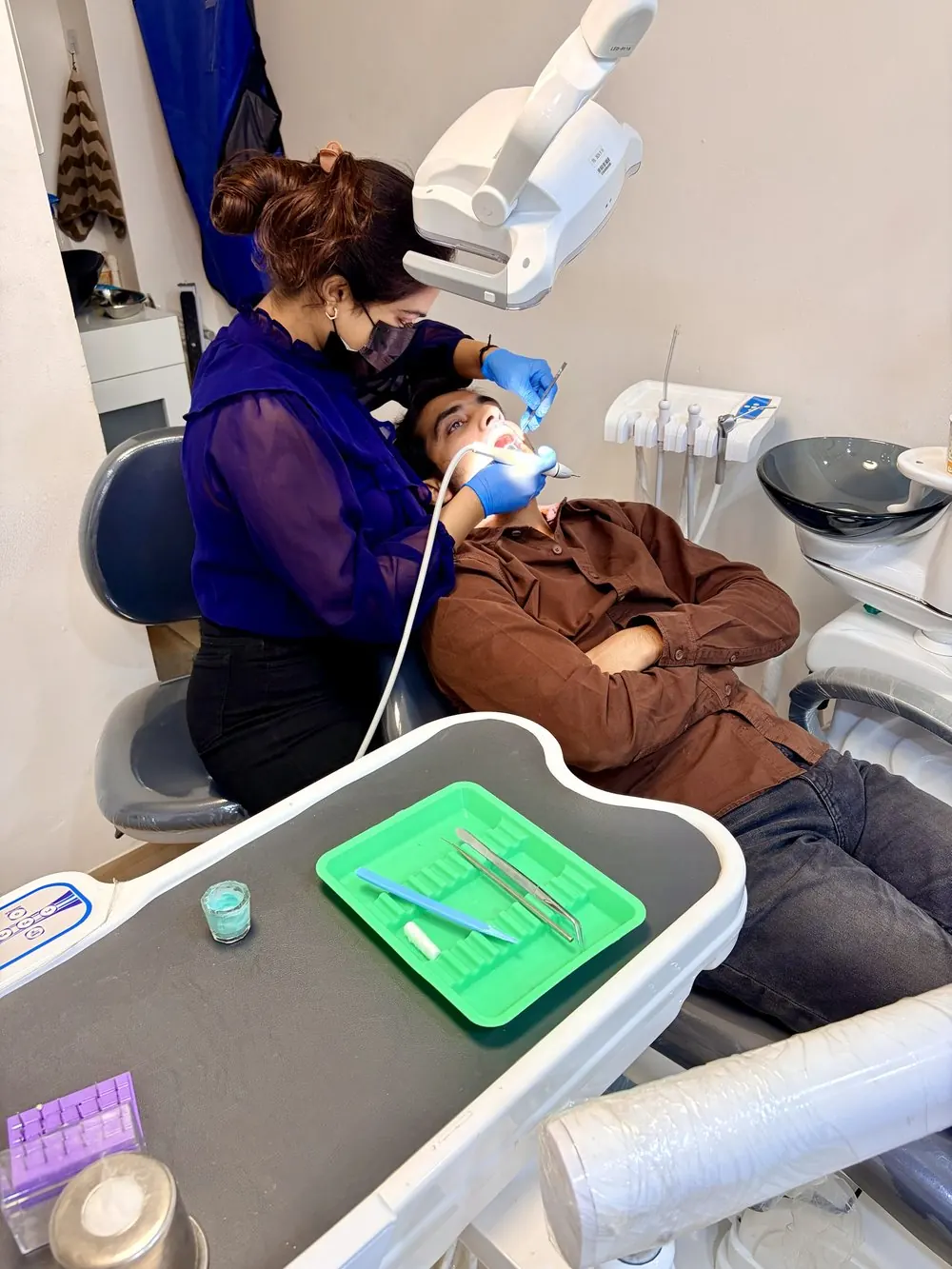
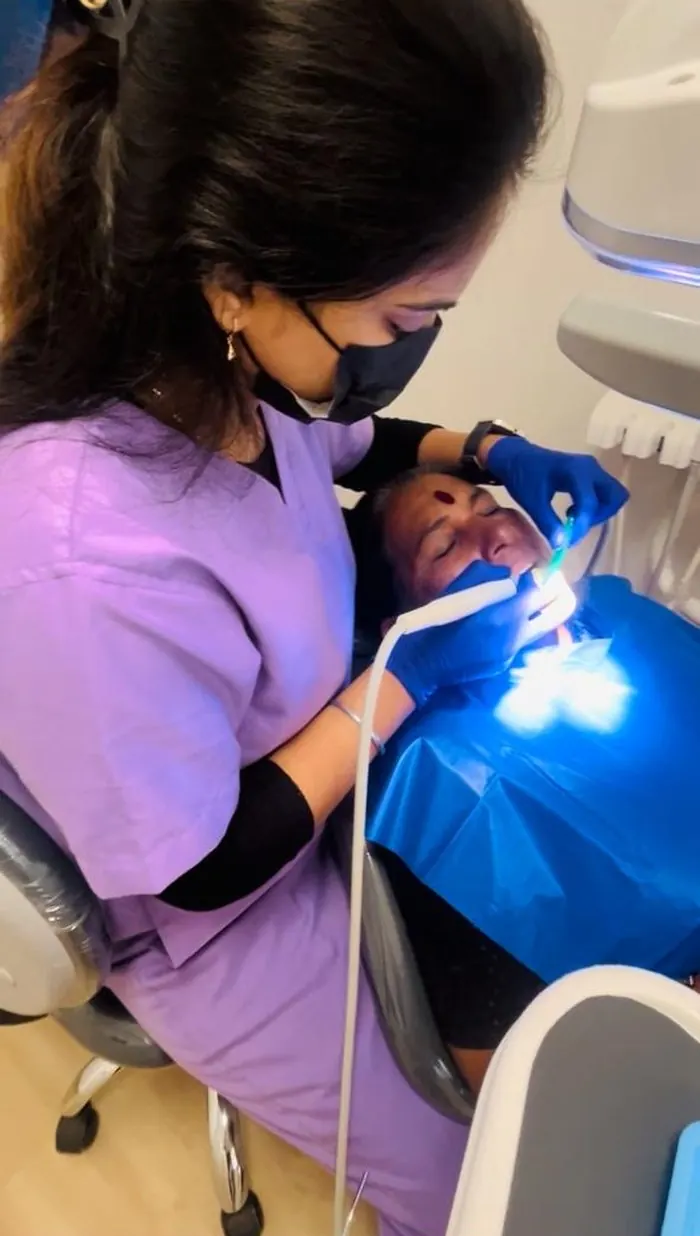
Under local anaesthesia, the infected pulp is removed and the canal is cleaned and shaped.
The canal is sealed, often in the same sitting, and a crown is placed to protect the tooth long-term.
Root canal treatment has a reputation for pain that mostly comes from before modern anaesthesia and technique. With local anaesthesia, most patients feel pressure rather than pain during the procedure itself, and mild soreness for a day or two afterward — similar to getting a deep filling. We won't promise a completely painless experience for every patient, since individual sensitivity varies, but discomfort is actively managed throughout.
Straightforward cases with clear canal anatomy and no active infection are often completed in a single visit. Cases with existing infection, unusual canal shape, or a previously failed root canal may need two visits to fully resolve. We'll tell you which applies to your tooth after the X-ray — not before.
Mild soreness for one to two days is normal. Avoid chewing on the treated tooth until the permanent crown is placed, and call the clinic if pain worsens rather than easing, or if swelling develops.
Root canal treatment isn't always possible. If the tooth is too structurally damaged, fractured below the gumline, or the supporting bone is compromised, extraction and replacement (such as a dental implant) may be the more realistic option. We'll always tell you honestly if this applies rather than attempting to save a tooth that won't hold up.
The procedure is done under local anaesthesia, so you shouldn't feel sharp pain during treatment — most patients describe pressure rather than pain. Mild soreness for a day or two afterward is normal and usually manageable with over-the-counter pain relief.
Straightforward cases are often completed in one sitting. More complex cases — such as existing infection or unusual canal shape — may need two visits. Your dentist will confirm which applies to you after an X-ray.
An untreated infection inside the tooth can spread, leading to worse pain, swelling, or eventually loss of the tooth. It won't resolve on its own.
In most cases, yes — a crown protects the treated tooth from cracking under normal biting force, since a root-canal-treated tooth is more brittle than a healthy one.
Cost depends on the tooth involved, the complexity of the canal, and whether a crown is needed. We'll give you an exact quote after examining the tooth and X-ray — ask us directly rather than relying on a general figure online.
Why Ekdant
Focuses specifically on root canal therapy and implant dentistry, with digital X-ray diagnosis used on every case before recommending treatment.
Patients looking for root canal treatment in Bhosale Nagar can visit Ekdant Dental Clinic at Gandharv Serenity, opposite Villoo Poonawala Hospital. We also see patients from Hadapsar and Magarpatta.
UG-6 / Shop No. 6, Gandharv Serenity